What some people don't realize is that most Asian dramas were originally based off a manga/comic book. In some cases, these dramas are also paired with an anime, making more income to the original author or "mangaka". One particular example I would like to discuss is "Kuragehime" (translated to "Princess Jellyfish").
"Kuragehime" tells the story of a young girl, Tsukimi, with a fascination for jellyfish and meets a young cross-dressing male named Kuranosuke. "Kuragehime" was written and illustrated by Akiko Higashimura, the manga serialized and published by Kodansha's manga magazine "Kiss". It has 15 volumes so far, as the series is still on-going and even has an animated TV series.

The "Kuragehime" short anime series has a total of 11 episodes, produced and animated by studio Brain Base (same studio that created "Hotarubi no Mori e" as I had mentioned in an earlier post). It became a huge success and was widely popular in both Japan among the young adult female audience and in America as well. With this booming popularity, Higashimura's story gained more fame and popularity from this new announcement.

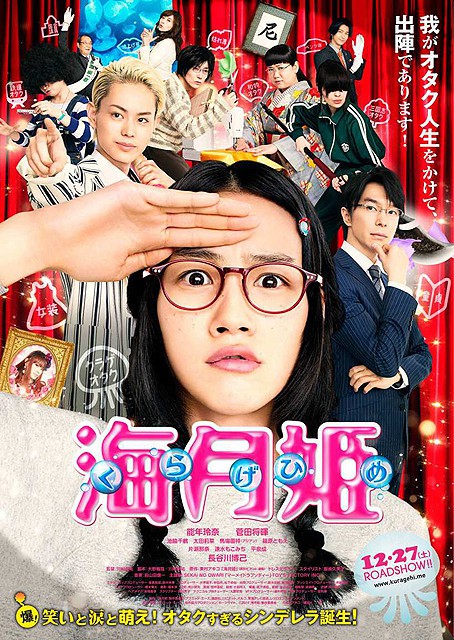
A live-action film will be created under the same title directed by Taisuke Kawamura and was released December 27th, 2014. Tsukimi and Kuranosuke are played by actors Rena Nonen and Masaki Suda respectively. This is a method that is used widely for many different mangas, mostly under the "shojo/josei" demographic (targetting young to young adult female audience). It also creates massive income to Higashimura who created the original series as well as the studios who were responsible for Kuragehime's success.

No comments:
Post a Comment