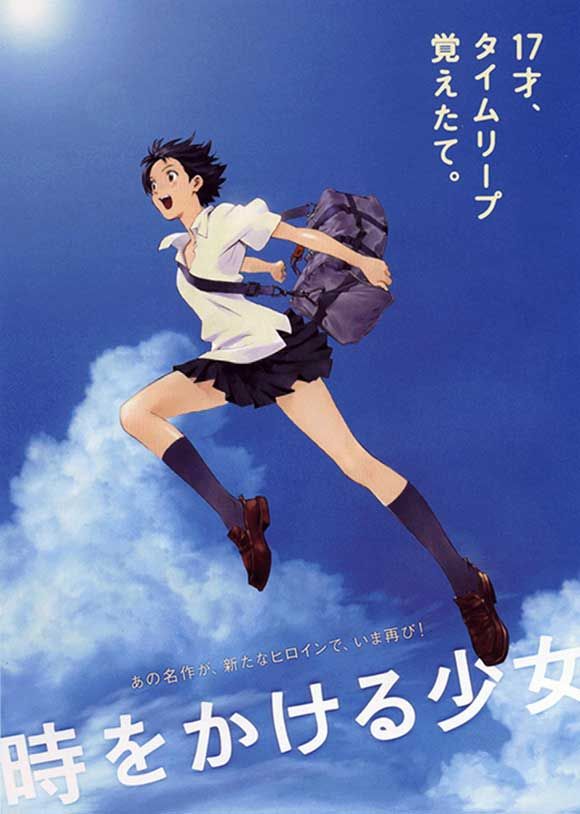
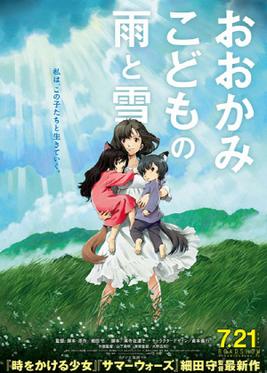
MADHOUSE Inc. has recently released Wolf Children Ame and Yuki, which has been released to the U.S. It gained some popular recognition among watchers and viewers, but it was known for being a tear-jerking, awfully sad movie (and it most certainly is). Although this is their recent hit, MADHOUSE has also produced several other films, such as Summer Wars (my personal favorite), Paprika, Perfect Blue, and The Girl Who Leapt Through Time. These films have gotten recognition in both Japan and America, known for their twisted and interesting plot lines and engaging story.
Both Paprika and Perfect Blue (films directed by Satoshi Kon) succeed in one thing; freaking out their audience. Paprika and Perfect Blue both maintain a very psychedelic, psychological horror atmosphere which is translated into the animation art style and direction. Paprika and Perfect Blue both use a wide variety of color and patterns throughout the film to emphasize the weird, twisted feel of the story.


Summer Wars, along with The Girl Who Leapt Through Time and Wolf Children (and all directed by Mamoru Hosoda), have similar art styles as they are more light-hearted and geared towards a greater audience of family. The animation style is lighter, happier, themes and plots contrasting greatly to that of Paprika or Perfect Blue. Two different directors and artists working for the same studio. Along with several other well known and recognized pieces of animated features, films, and shows, MADHOUSE Inc. gets plenty of recognition in both Japan and the U.S and has continued to grow and develop.


No comments:
Post a Comment